

VNU University of Law Holds Conference to Review the 2025–2026 Academic Year and Set Tasks for 2026–2027
As preparations for the new academic year got underway, VNU University of Law held a conference to review the 2025–2026 academic year and set out tasks for 2026–2027, evaluating the past year’s results and determining priority directions for the coming period.
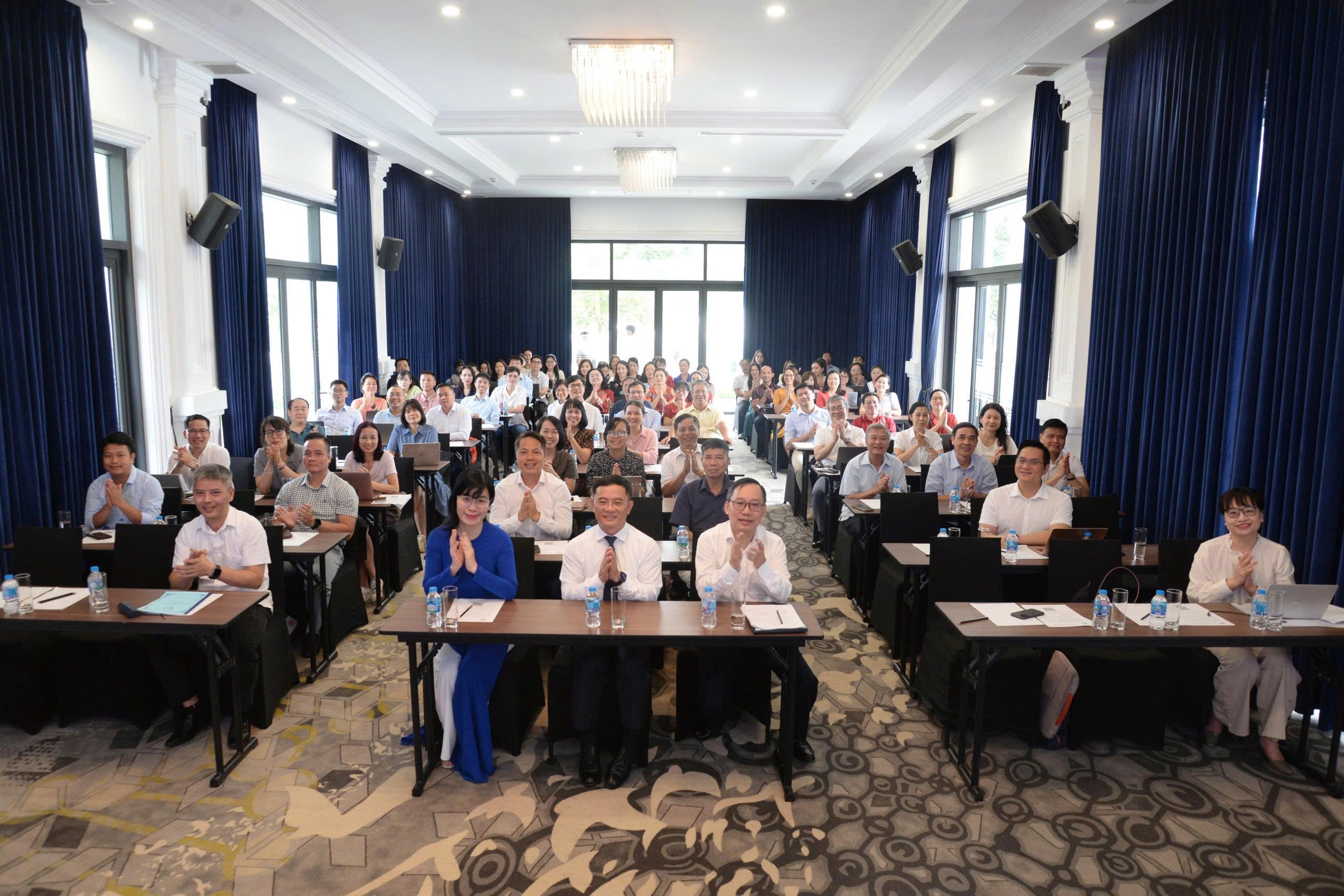
Attendees included the University’s Board of Rectors, heads of affiliated and subordinate units, and the University’s full staff. The conference reviewed the results achieved during the 2025–2026 academic year, assessed shortcomings and limitations, and agreed on priority directions, tasks, and measures for 2026–2027, aimed at continuing to improve training quality, scientific research, and university governance.
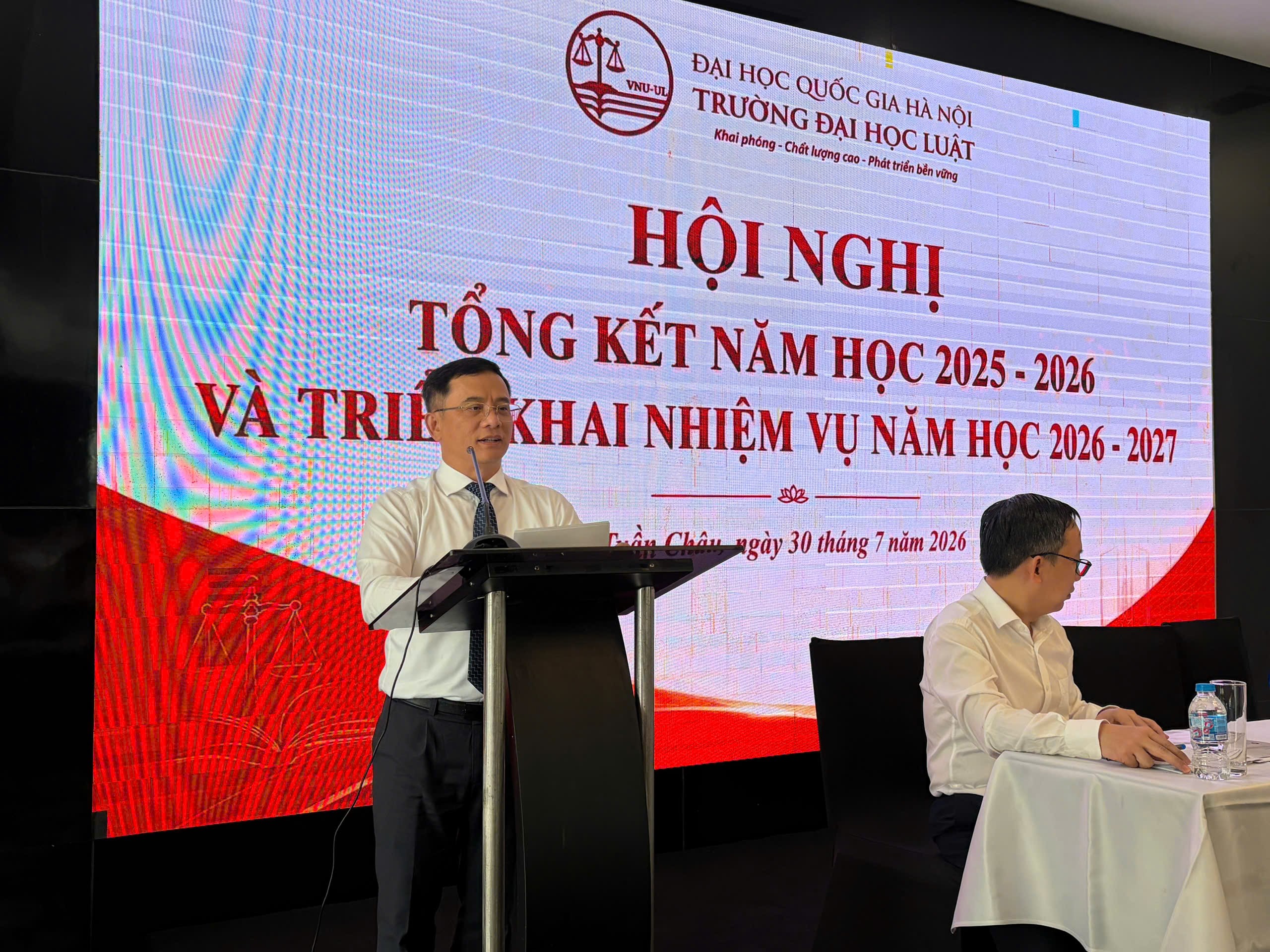 Rector Assoc. Prof. Dr. Nguyen Tien Vinh speaking at the conference
The 2025–2026 academic year took place while the University simultaneously carried out several major tasks: continuing to strengthen its organizational structure, refining its university governance model, gradually expanding training activities at the Hoa Lac campus, preparing for the University’s 50th anniversary, and implementing reforms under the development strategy of Vietnam National University, Hanoi. The University largely achieved its stated goals and tasks for the year, under the direction of the Party Committee and Board of Rectors and with the efforts of its staff and students.
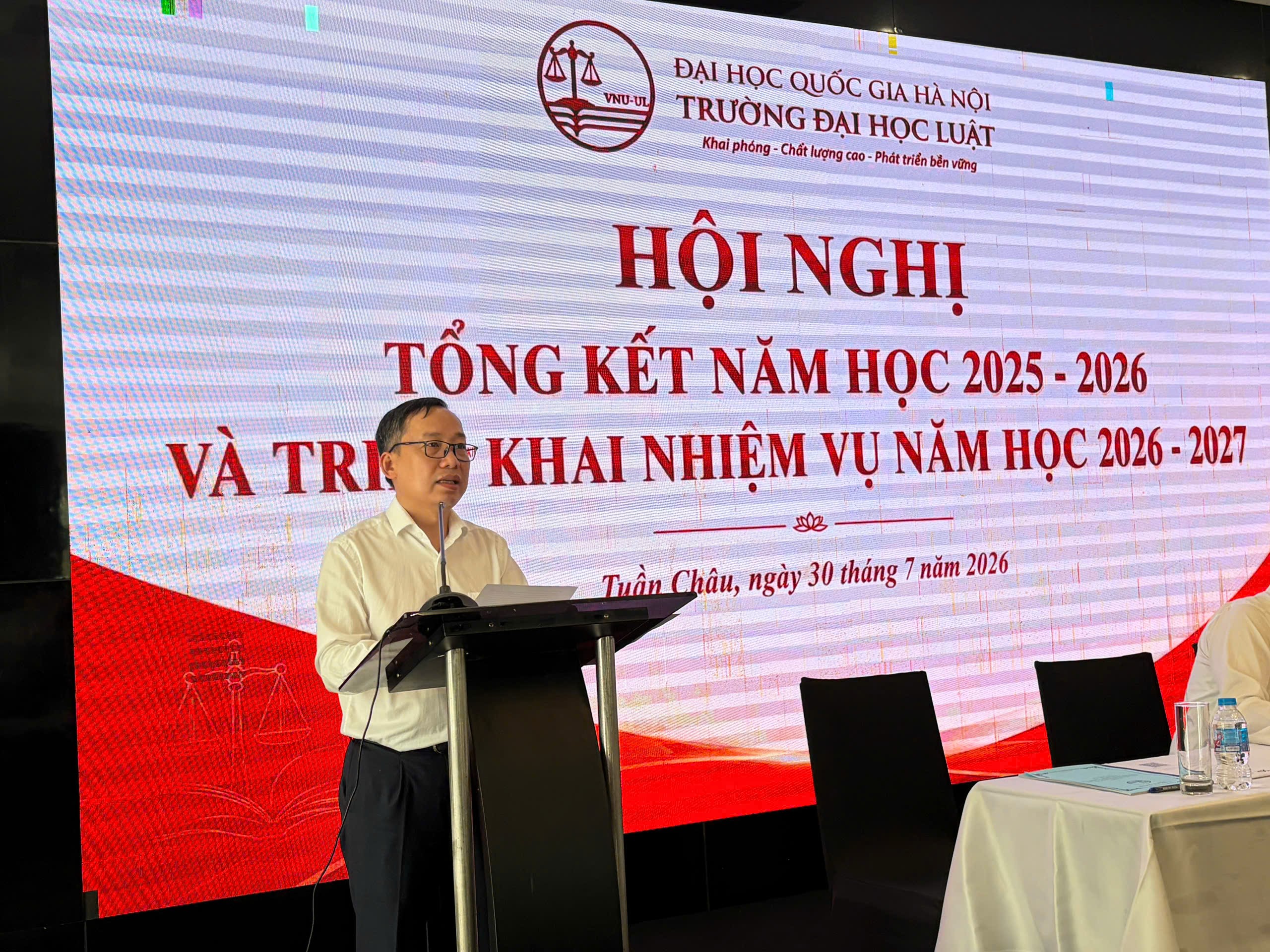
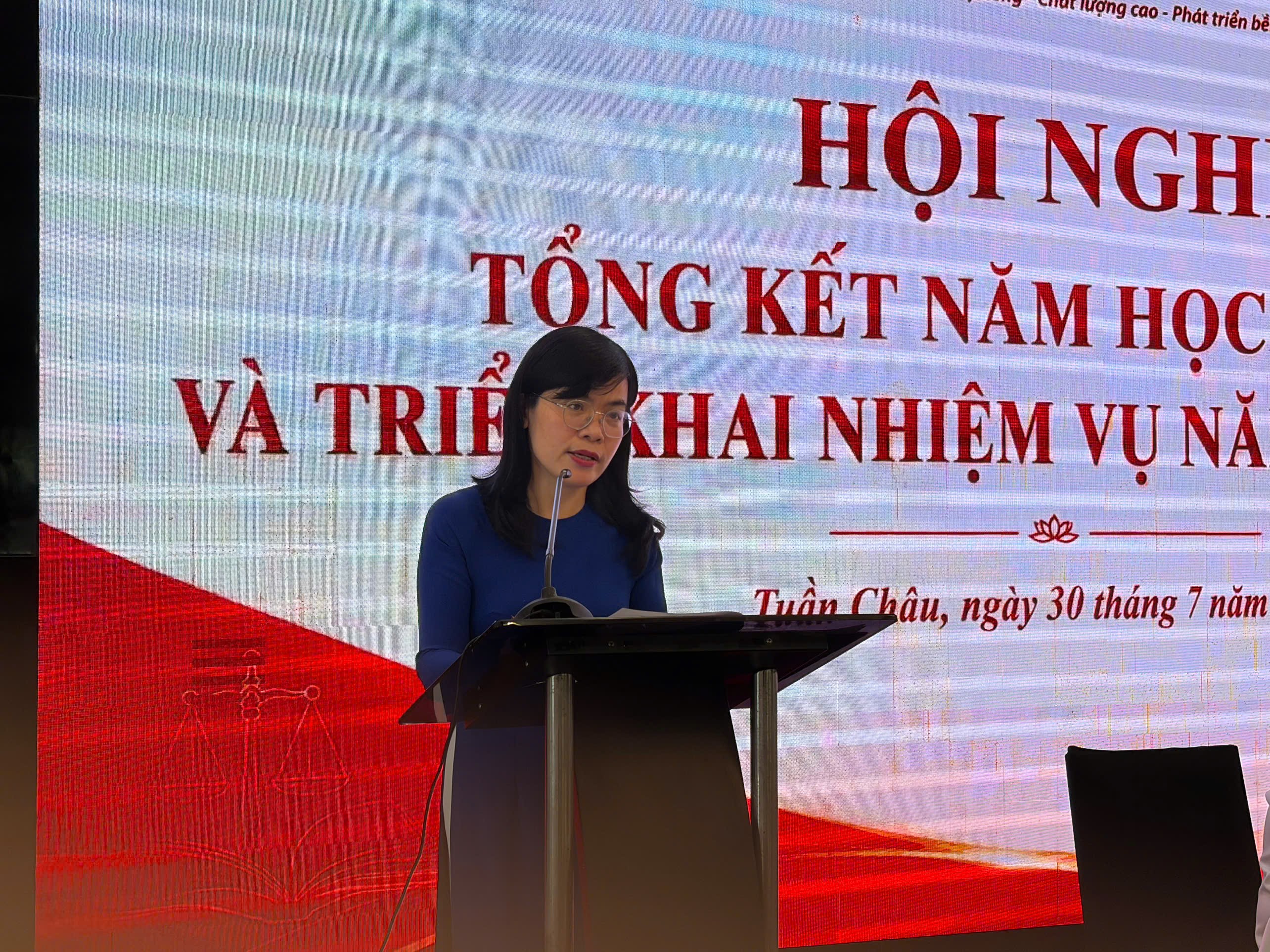
At the conference, university governance continued to be updated, the system of management documents was gradually completed, and administrative reform and digital transformation showed improvement. Training, admissions, examination, and student affairs activities were carried out in a stable manner, meeting quality and regulatory requirements. Scientific research, technology, development cooperation, and quality assurance activities also continued, including scientific publications, conferences, academic forums, student research activities, international cooperation, and education quality accreditation.
Alongside these achievements, the conference also identified several shortcomings requiring further attention: the pace of implementing certain tasks remained slow; digital transformation and the mobilization of socialized resources had not yet met development requirements; the quality of some activities was uneven; and human resources and facilities continued to face certain difficulties. These findings will serve as a basis for the University to develop measures to improve governance, training quality, scientific research, and community service in the coming period.
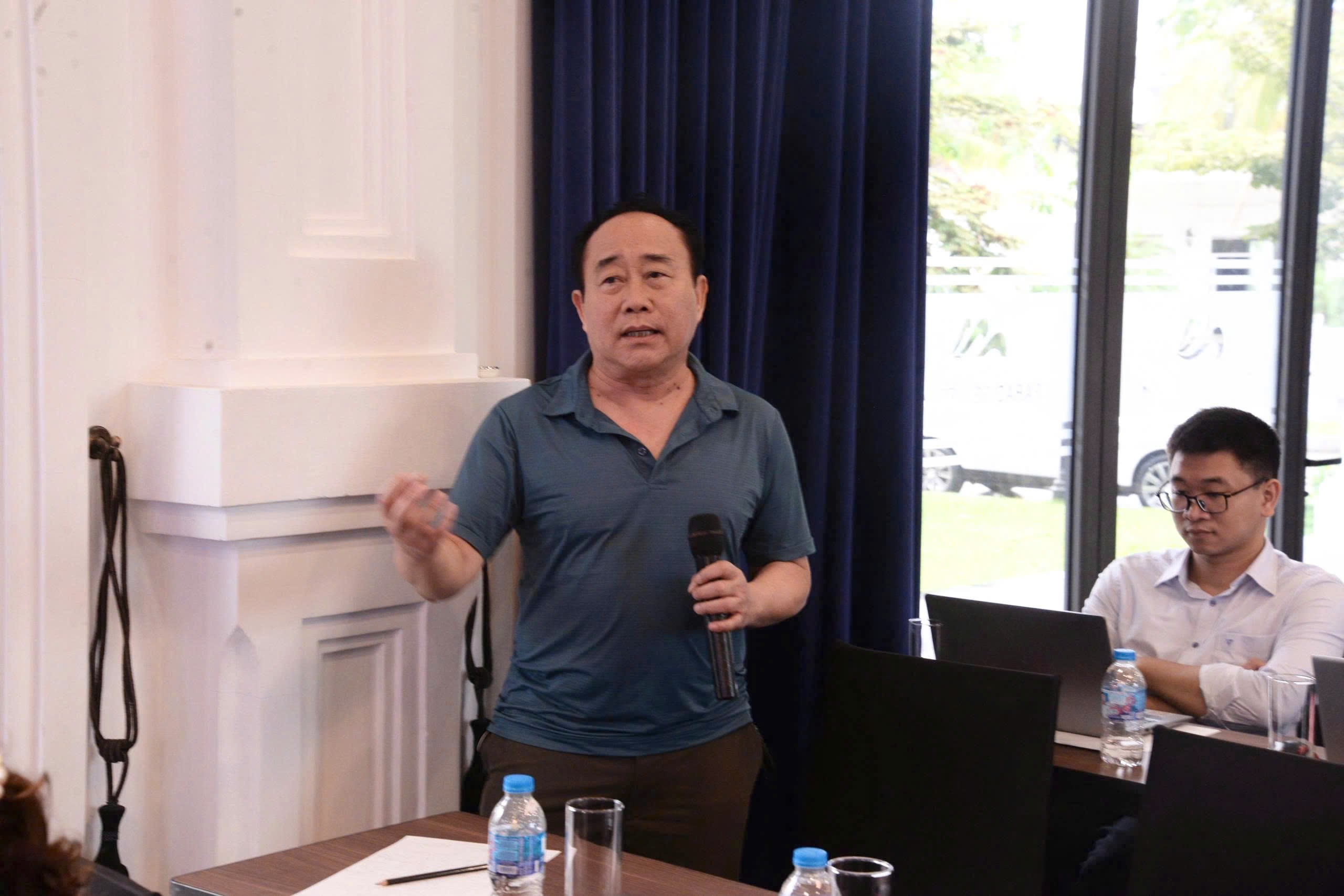
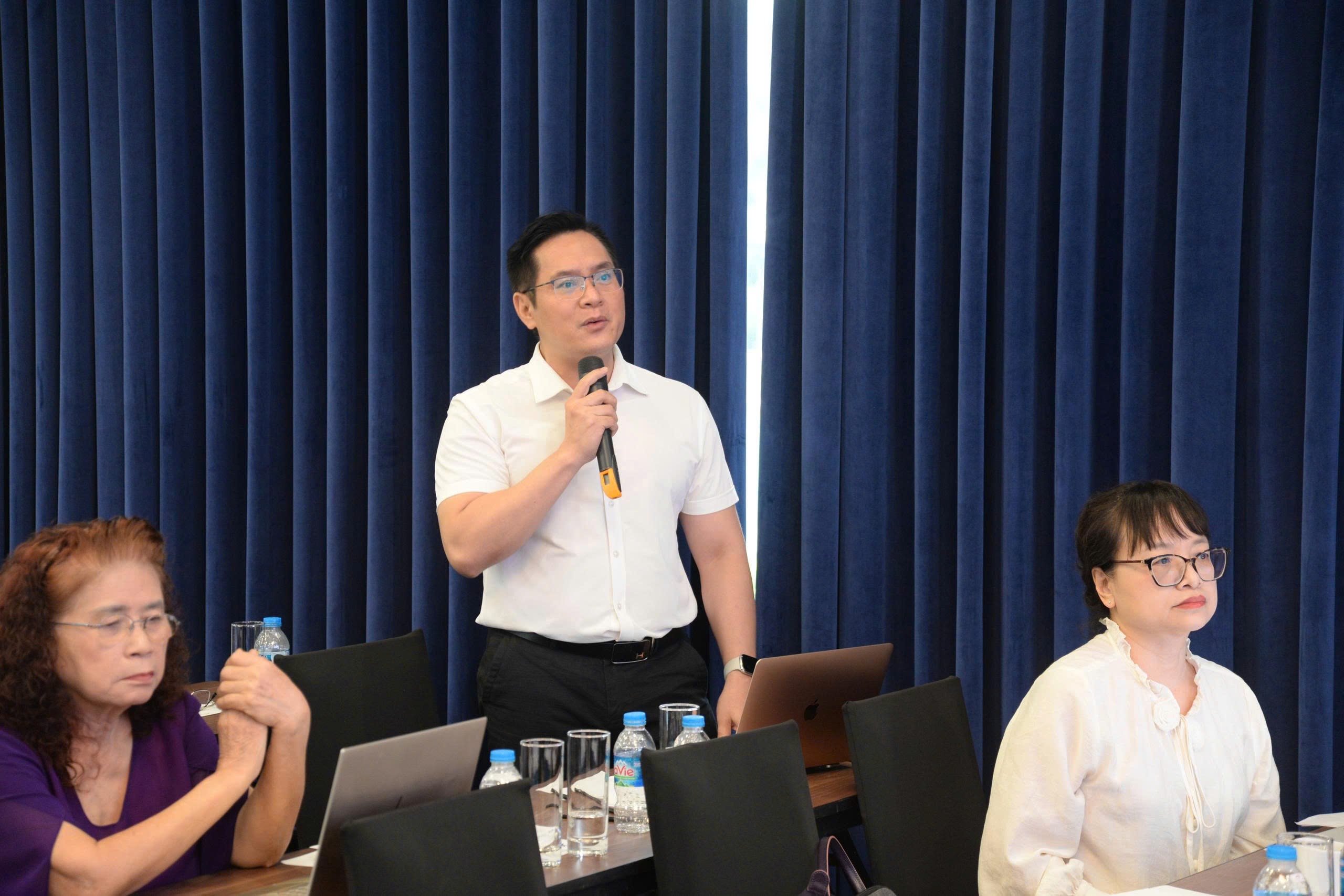
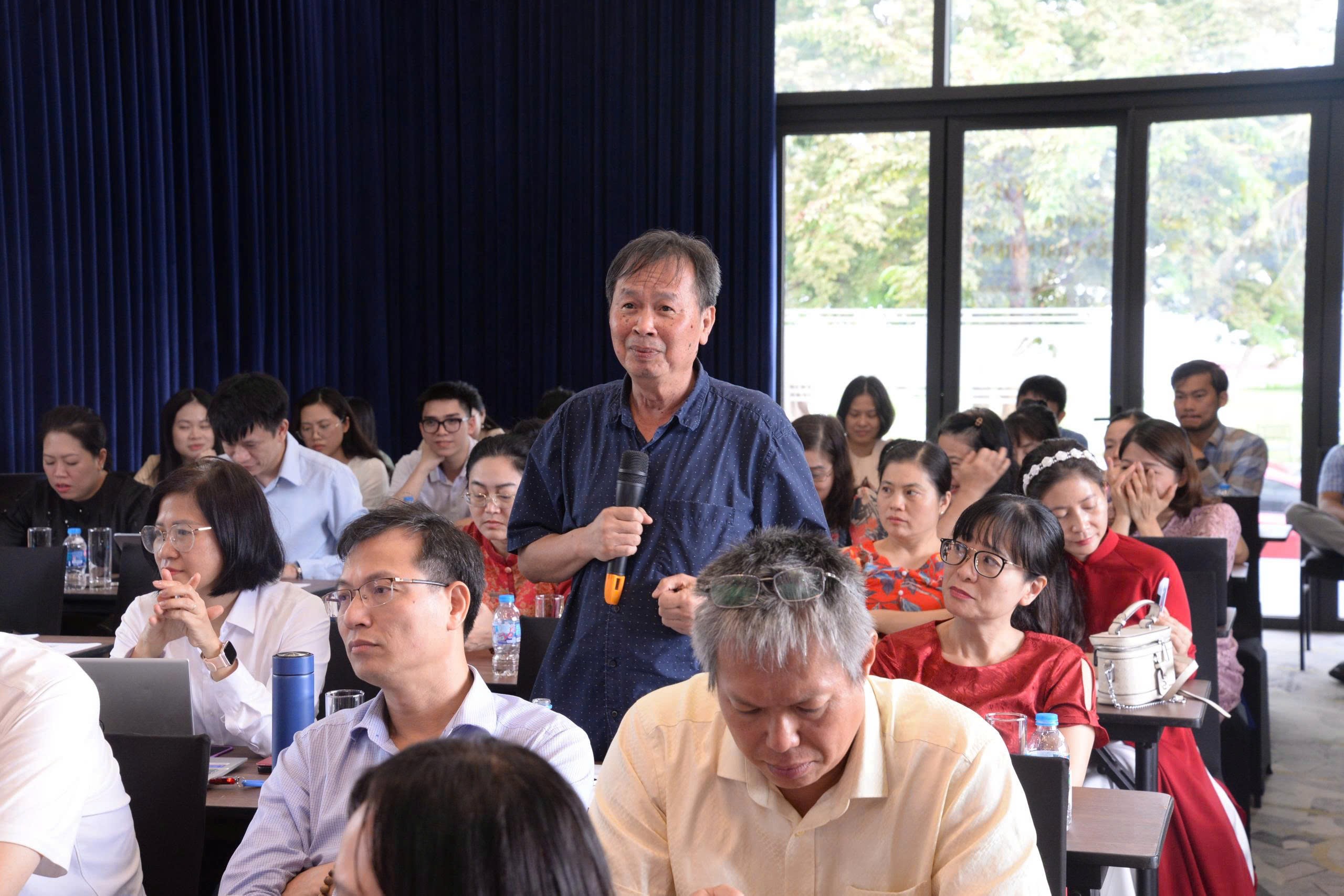
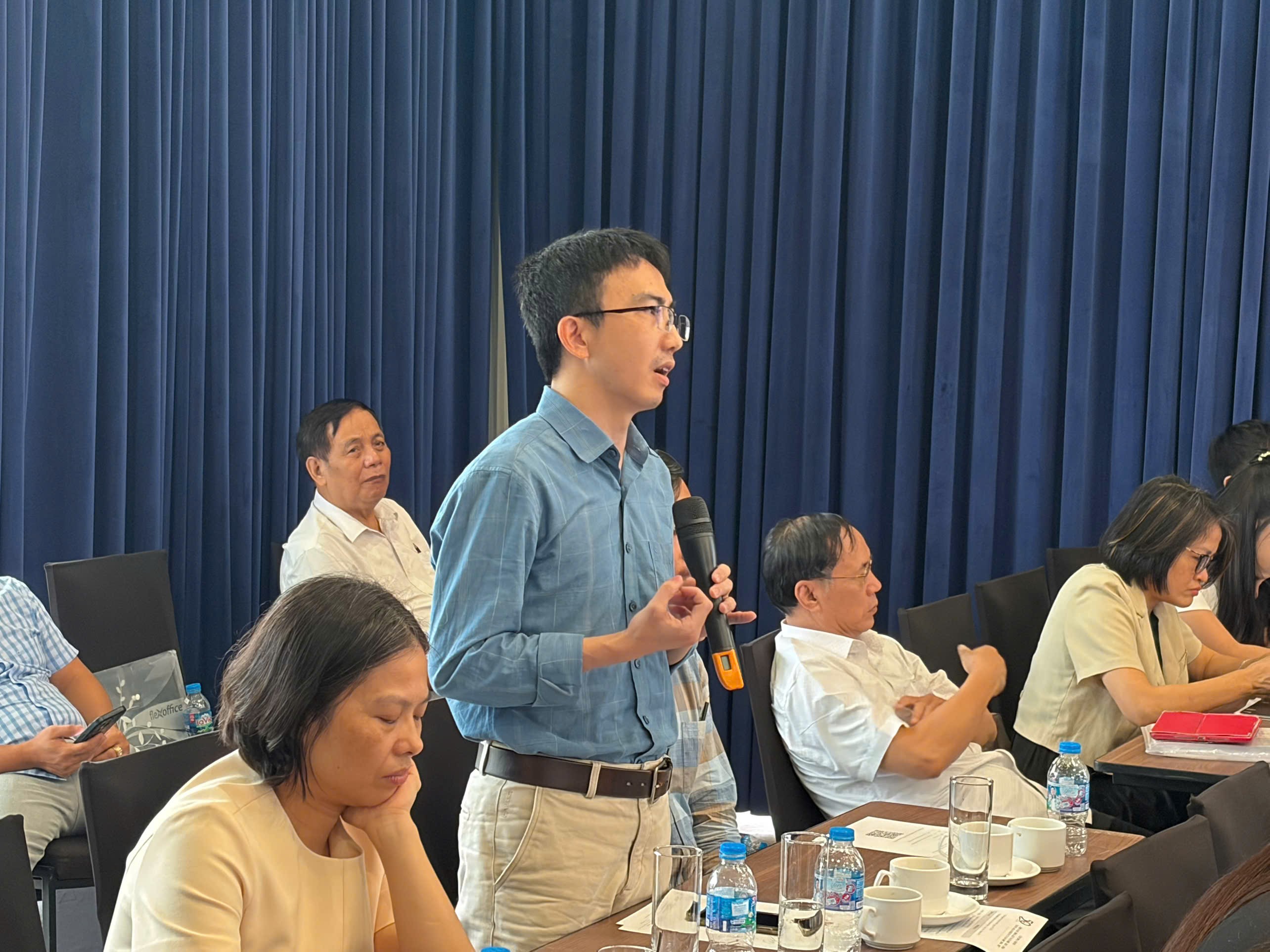
In the discussion session, comments from scholars including Assoc. Prof. Dr. Ngo Huy Cuong, Assoc. Prof. Dr. Nguyen Minh Tuan, Assoc. Prof. Dr. Nguyen Ngoc Chi, Prof. Dr. Hoang Thi Kim Que, and Dr. Nguyen Quang Duc, among others, focused on building an academic environment reflecting the University’s identity and encouraging open, constructive scientific critique in the common interest, as well as on developing the Hoa Lac campus into a modern, student-centered training and research environment that supports faculty. Delegates also proposed further improving training quality, streamlining the functions and duties of University units, strengthening coordination, reinforcing quality assurance, and setting a realistic timeline for achieving the University’s goals.
In closing remarks, University leaders acknowledged the delegates’ contributions and comments. Based on the results achieved and the issues raised at the conference, the University will focus on the priority tasks for the 2026–2027 academic year, with each unit and individual taking greater responsibility for their assigned work, working toward becoming a higher education institution capable of meeting the country’s development needs in the new period.