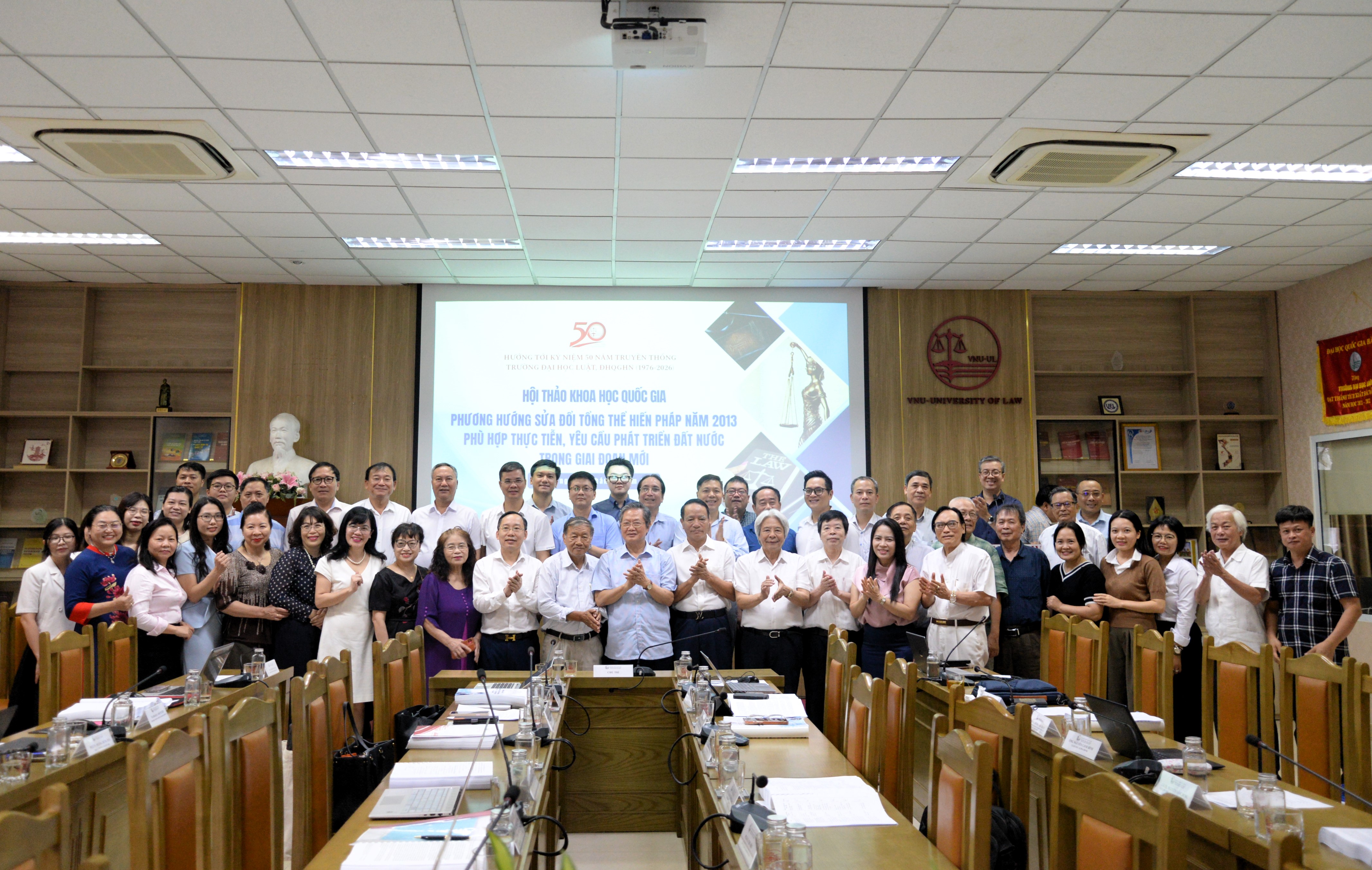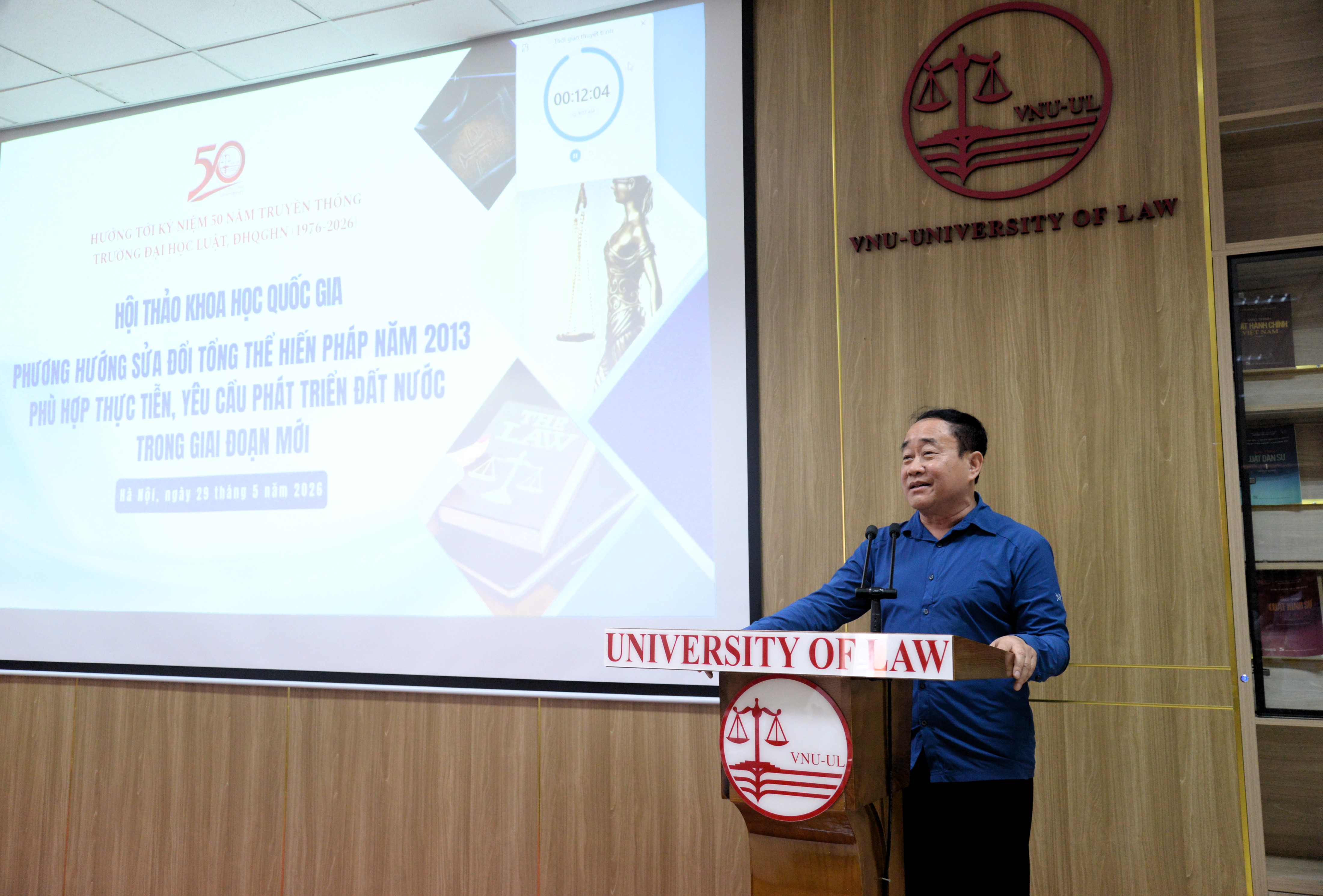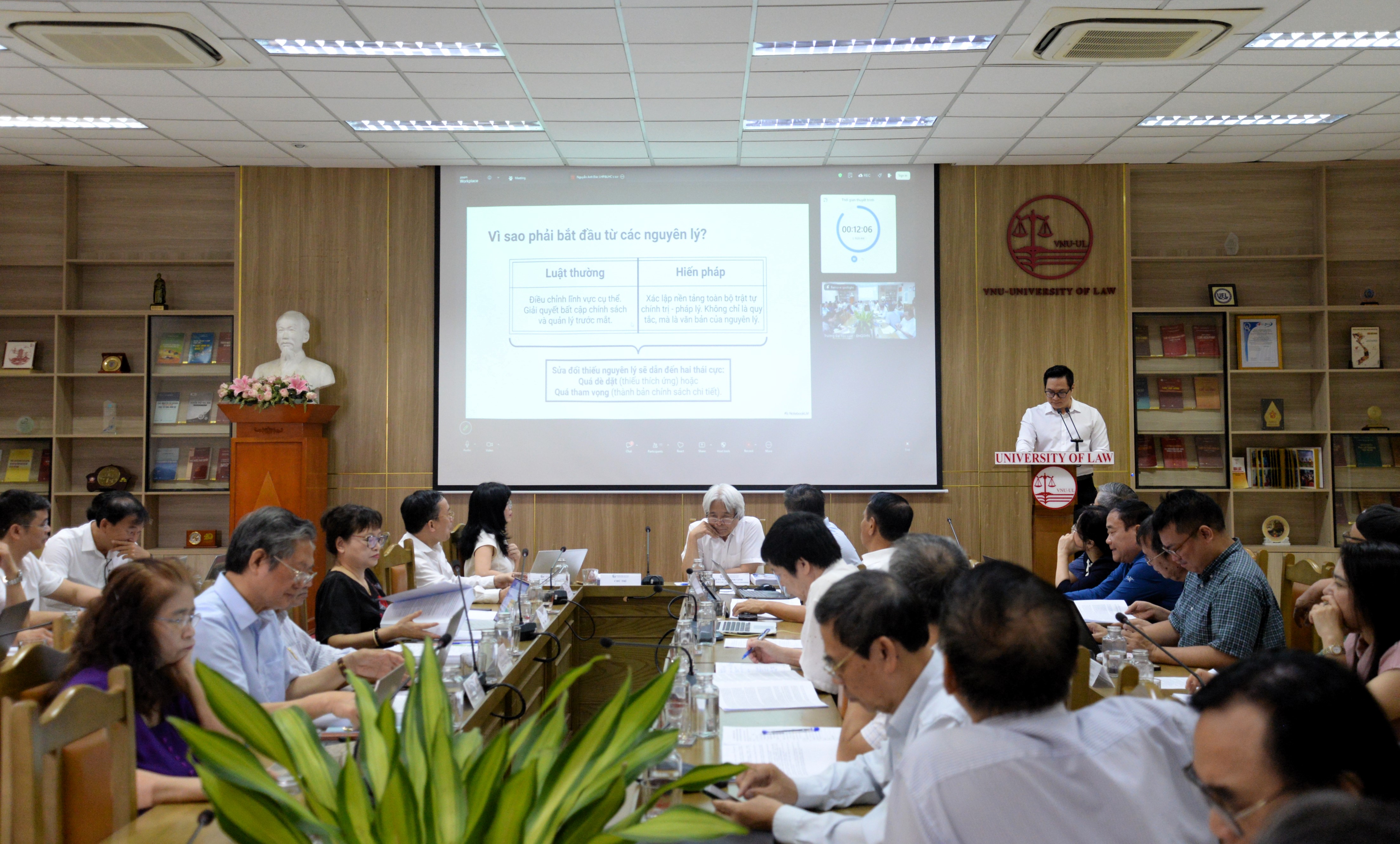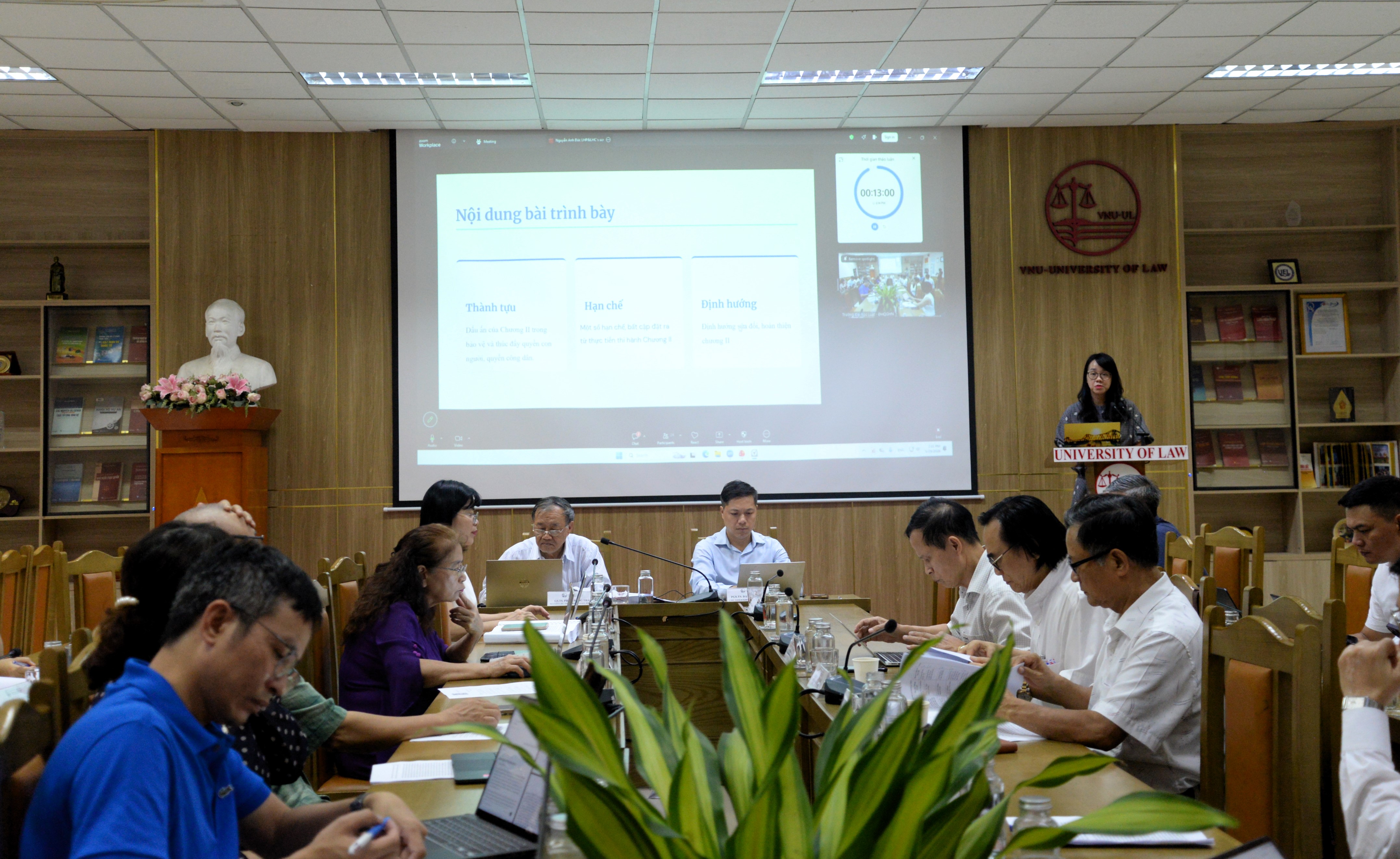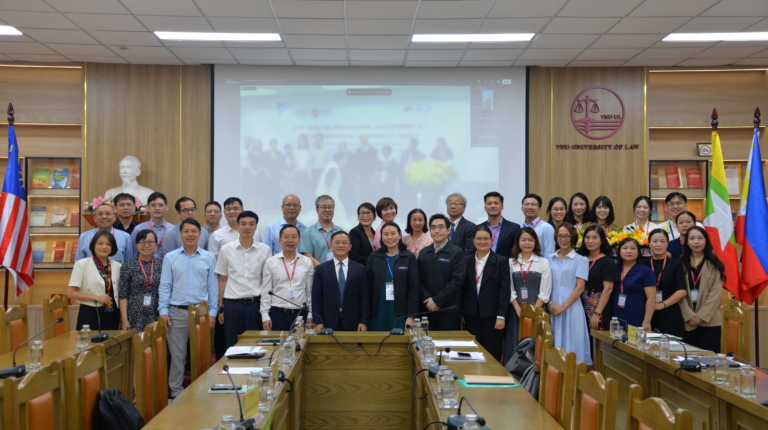


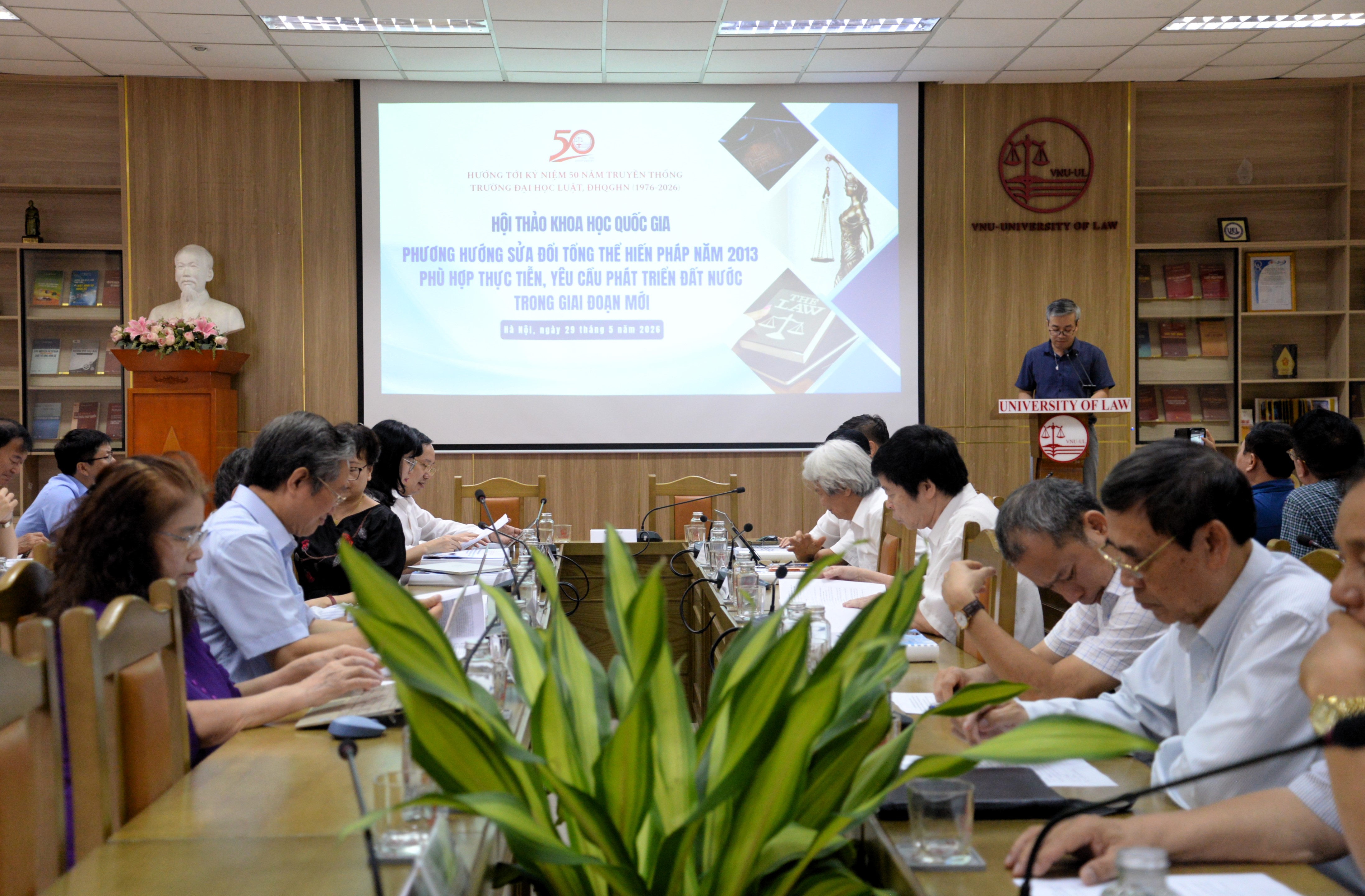
On 29 May 2026, VNU University of Law held a national workshop titled “Directions for a Comprehensive Amendment of the 2013 Constitution to Match Practical Needs and the Country’s Development Requirements in the New Period.”
The workshop came shortly after the Politburo issued Conclusion No. 17-KL/TW on 2 April 2026 on legislative priorities for the 16th National Assembly term, which identified reviewing and comprehensively amending the 2013 Constitution as one of the major legislative priorities for the period.
As an academic institution marking half a century of establishment and development, VNU University of Law took the initiative to host the event, the first academic forum in the country to address this topic and a key activity ahead of the University’s 50th anniversary (1976–2026).
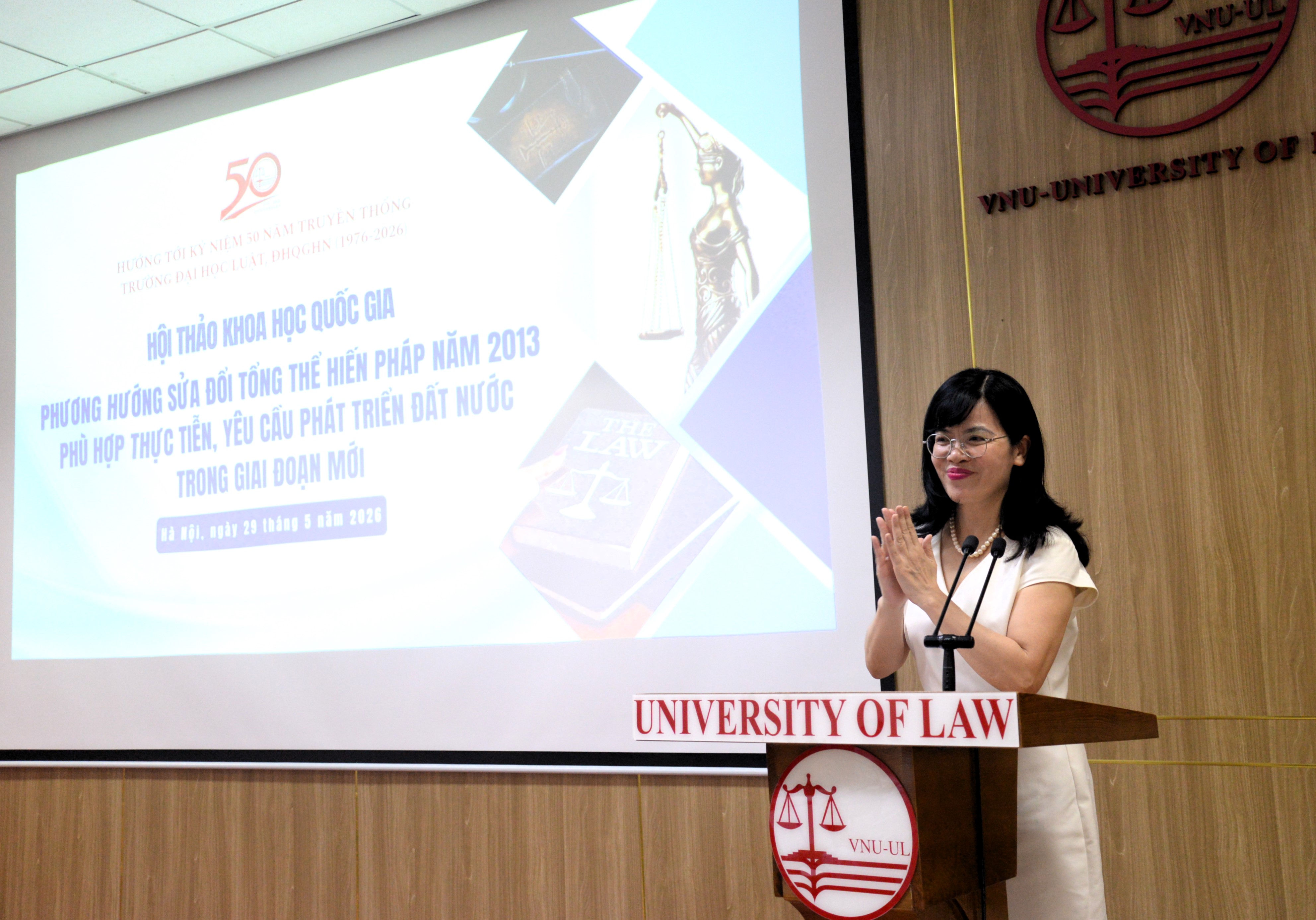
In her opening remarks, Assoc. Prof. Dr. Nguyen Hoang Anh, Vice Rector, said constitutional amendment is always a major issue for any country, and a comprehensive amendment is certain to be one of the most significant issues facing Vietnam, laying the groundwork for the country to enter a new period of development.
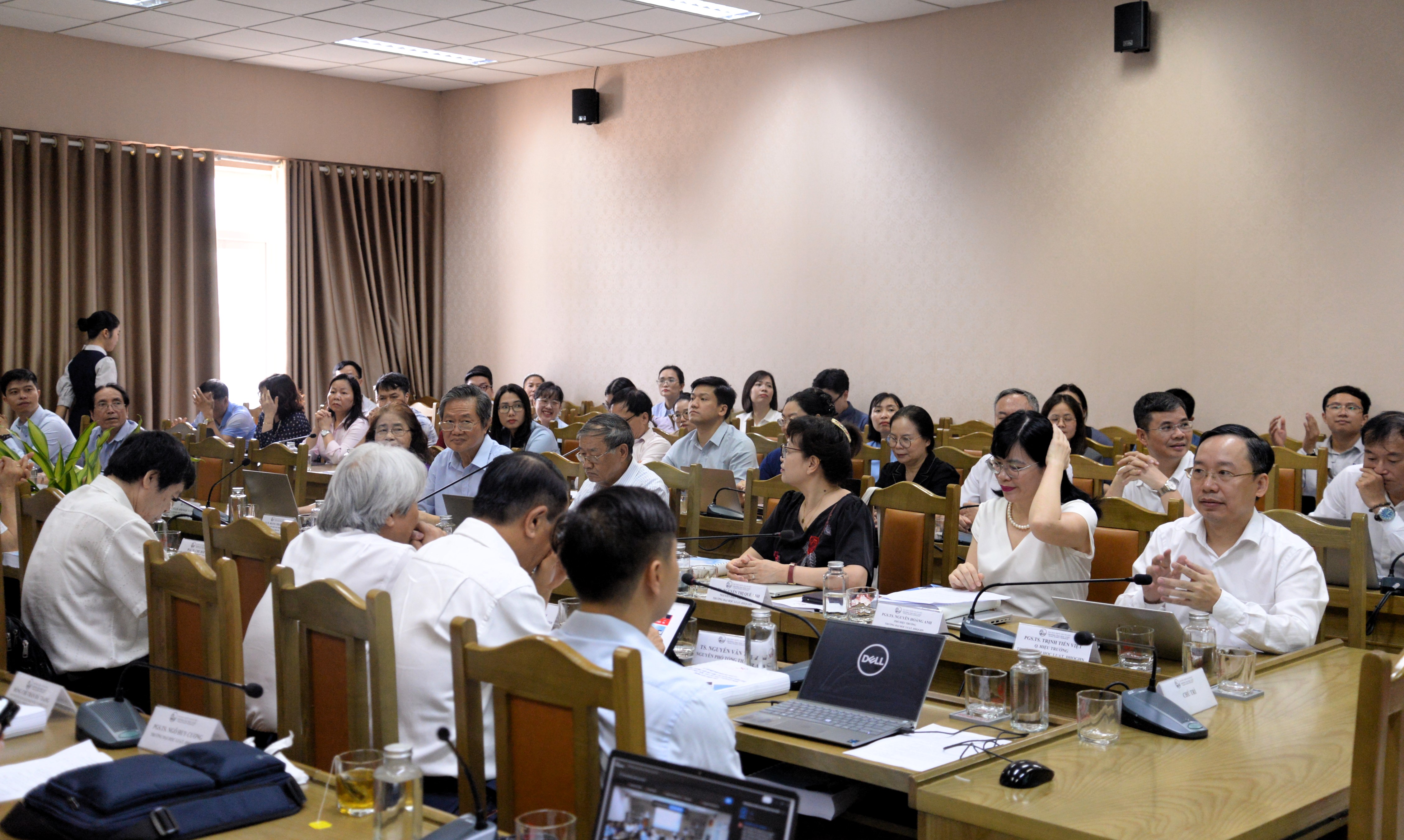
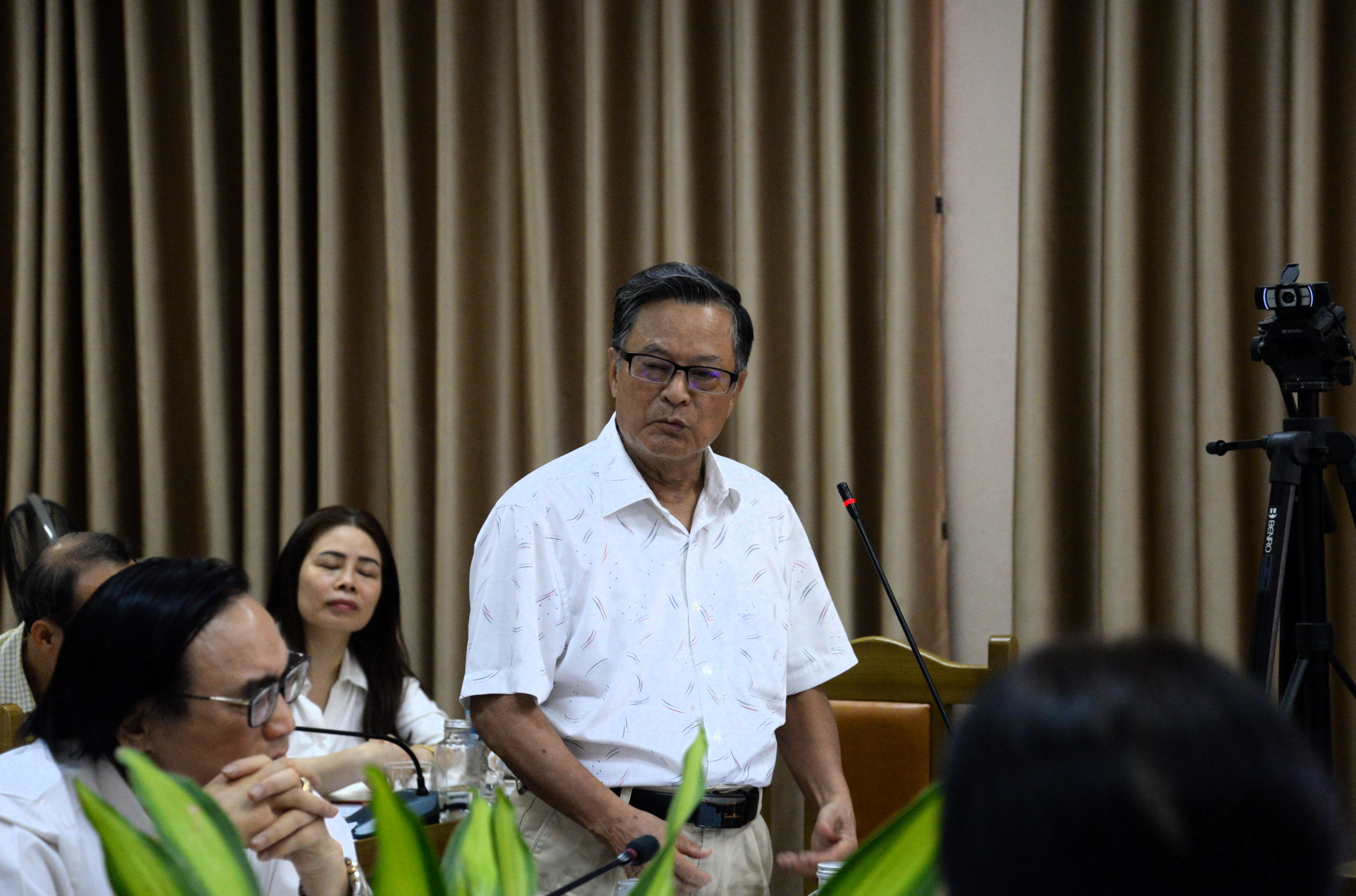
The workshop drew a large number of practitioners, experts and scholars attending in person and online.
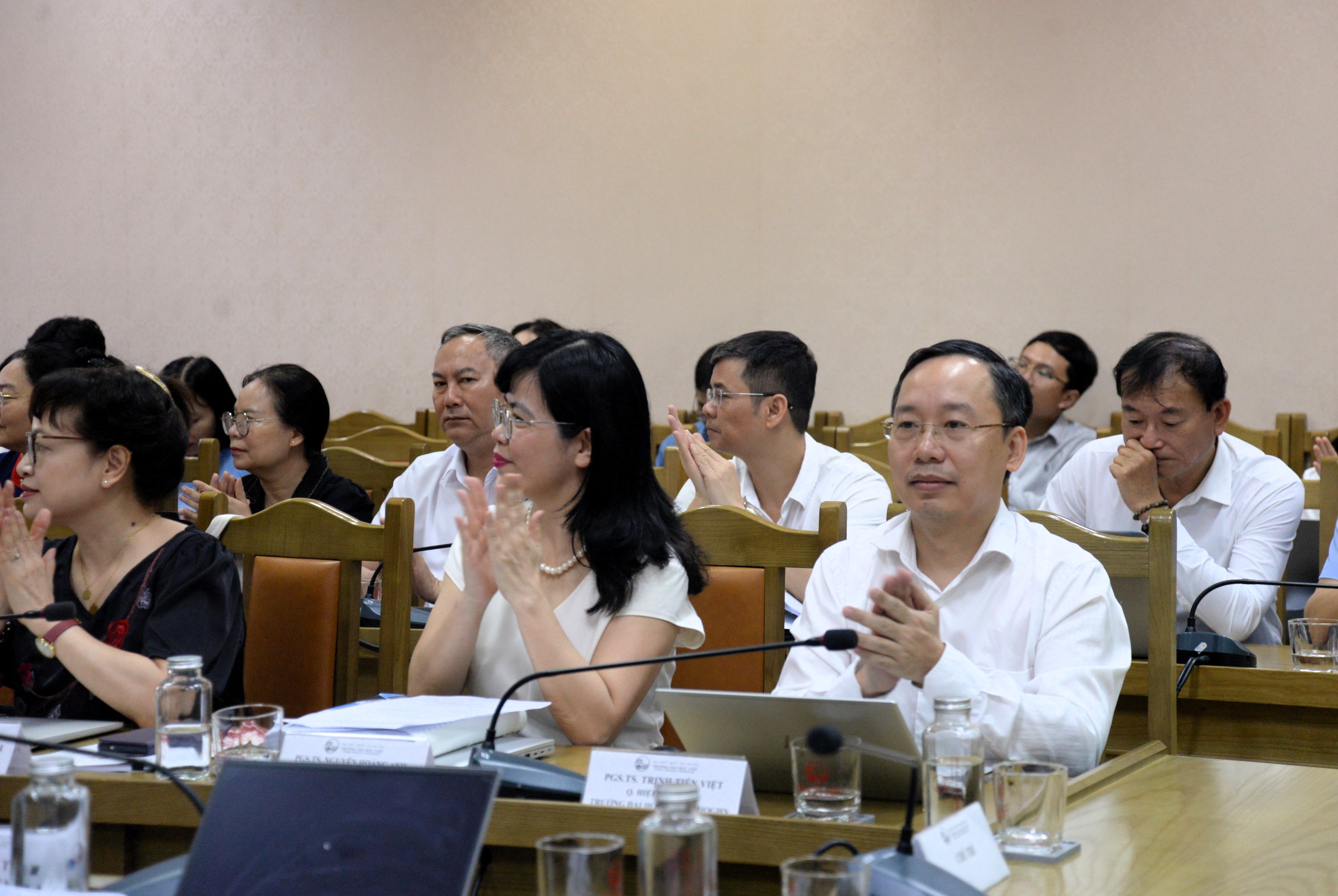
Guests included Nguyen Bien Thuy, Deputy Chief Justice of the Supreme People’s Court; Assoc. Prof. Dr. Tran Van Do and Dr. Nguyen Son, former Deputy Chief Justices of the Supreme People’s Court; Prof. Dr. Phan Trung Ly, former Chairman of the National Assembly’s Law Committee; Dr. Do Duc Hong Ha, Vice Chairman of the National Assembly’s Committee on Science, Technology and Environment; Prof. Dr. Vo Khanh Vinh, former Vice President of the Vietnam Academy of Social Sciences; Nguyen Van Phuc, former Deputy Head of the Constitutional Amendment Drafting Committee; along with representatives from research institutes, major universities and businesses.
From VNU University of Law, participants included members of the Science Council and senior professors: Assoc. Prof. Dr. Trinh Tien Viet, Acting Rector; Assoc. Prof. Dr. Nguyen Hoang Anh, Vice Rector; Assoc. Prof. Dr. Nguyen Tien Vinh, appointed Rector of VNU University of Law by the VNU Director effective 1 June 2026; Assoc. Prof. Dr. Nguyen Thi Que Anh, former Rector; Prof. Dr. Sc. Le Van Cam; Prof. Dr. Nguyen Dang Dung; Prof. Dr. Hoang Thi Kim Que; Prof. Dr. Nguyen Ba Dien; and Assoc. Prof. Dr. Ngo Huy Cuong, among others.
The workshop received coverage from major news agencies and outlets, including the Vietnam News Agency, Dai Bieu Nhan Dan, Phap Luat Vietnam, Phap Luat TP. Ho Chi Minh, Thanh Nien and Giao Duc Vietnam.
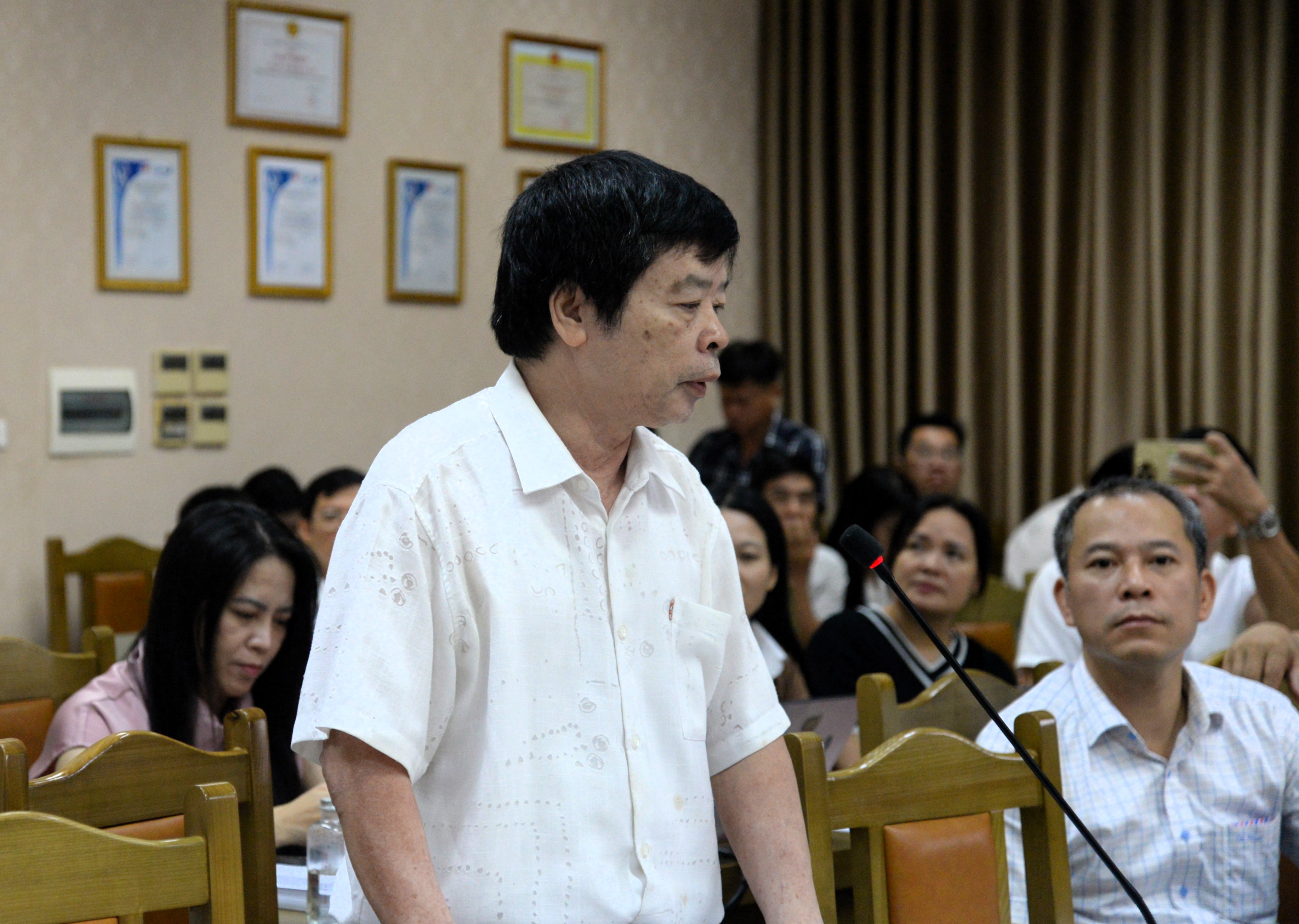
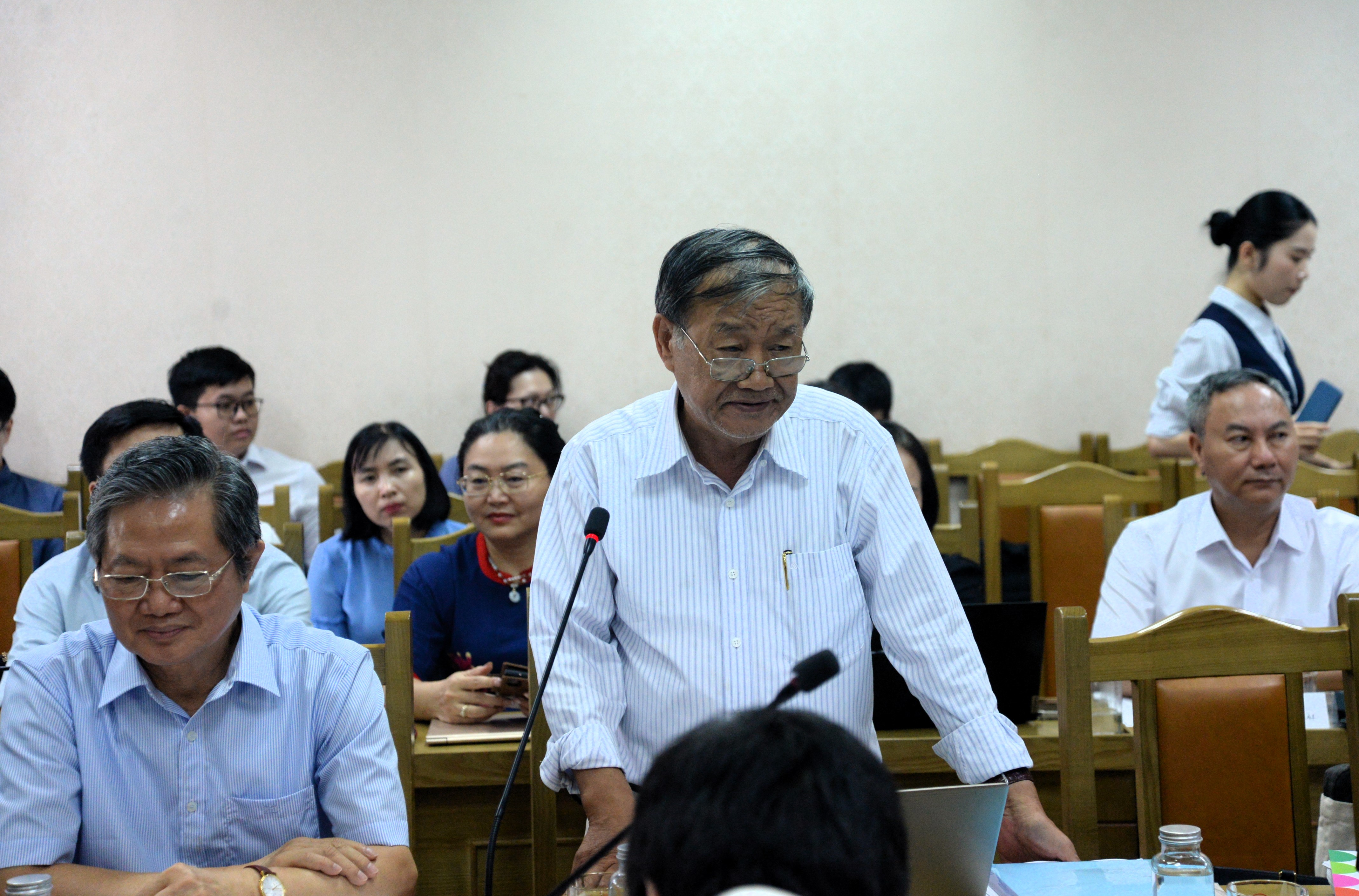
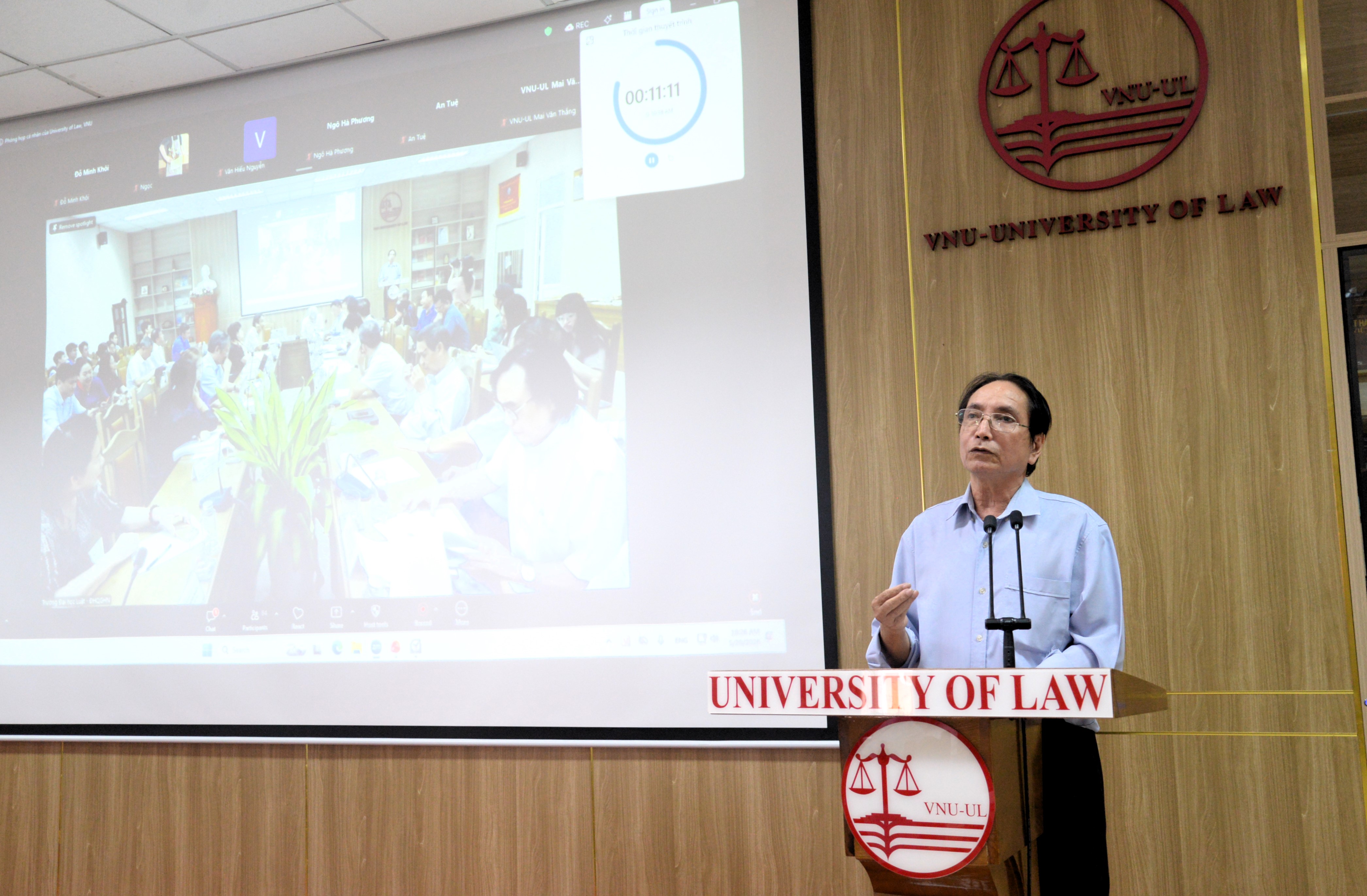
The program was organized into two plenary sessions, with 10 in-depth papers and dozens of comments in open discussion.
Morning session: approaches and foundational principles
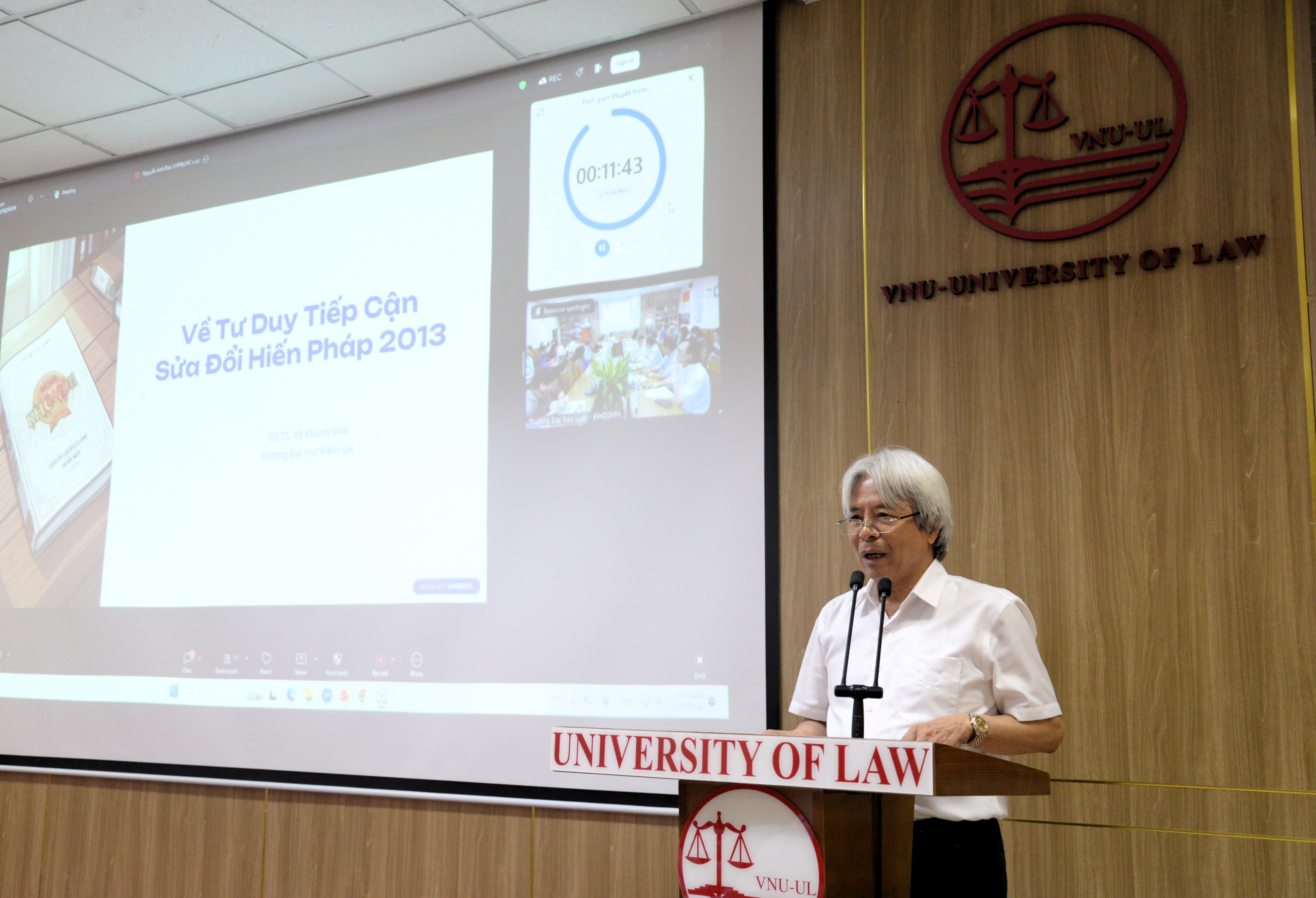
Chaired by Assoc. Prof. Dr. Nguyen Hoang Anh and Prof. Dr. Vo Khanh Vinh, the morning session addressed the theoretical basis of constitutional thinking.
Prof. Dr. Vo Khanh Vinh proposed eight new approaches to constitutional amendment, emphasizing a people-centered approach and the addition of rights related to digital technology. Assoc. Prof. Dr. Ngo Huy Cuong examined the theoretical core of constitutionalism and proposed a model for amendment suited to a one-party governing system and a market economy. Assoc. Prof. Dr. Nguyen Minh Tuan identified five core principles of constitutional order and a “three-tier” framework for balancing institutional stability with adaptability. Prof. Dr. Nguyen Minh Doan examined and proposed improvements to the constitutional mechanism for the principle of Party leadership operating within the law and closely connected to the people. Assoc. Prof. Dr. Nguyen Thi Que Anh brought a contemporary perspective to the workshop, discussing “technological sovereignty” as a new element in the digital era and its implications for strategic autonomy in Vietnam.
Afternoon session: human and civil rights, and the organization of state power
Chaired by Prof. Dr. Pham Hong Thai and Assoc. Prof. Dr. Dang Minh Tuan, the afternoon session addressed two central areas of the Constitution.
On human and civil rights, speakers including Dr. Nguyen Linh Giang, Dr. La Khanh Tung and Dr. Do Minh Khoi identified shortcomings in the 2013 Constitution in light of data technology and algorithms. They proposed expanding certain civil rights into human rights, recognizing new rights arising in the digital environment, and establishing constitutional mechanisms to protect these rights in practice, such as a constitutional council or a national human rights institution.
On the organization of state power, Assoc. Prof. Dr. Tran Van Do offered proposals from the perspective of criminal procedure law for improving provisions on the People’s Courts, clarifying the nature of judicial power and ensuring judicial independence in adjudication. Assoc. Prof. Dr. Nguyen Hoang Anh presented a comparative study of local government models, suggesting an approach that combines oversight with reform and strengthens genuine decentralization for localities in Vietnam.
The national workshop concluded successfully on 29 May 2026, achieving its aim of providing an objective, responsible and academically rigorous forum. The papers and comments will be compiled into a set of findings and recommendations for submission to relevant state agencies and Party and government policymakers.
As the organizers noted, the workshop was an initial step in setting out broad directions and a shared approach. Building on this foundation, VNU University of Law plans to hold a further series of in-depth workshops examining specific constitutional provisions in detail, as part of its contribution to institutional reform in the new period.