

A Professional, Modern Criminal Justice System in Vietnam’s New Context
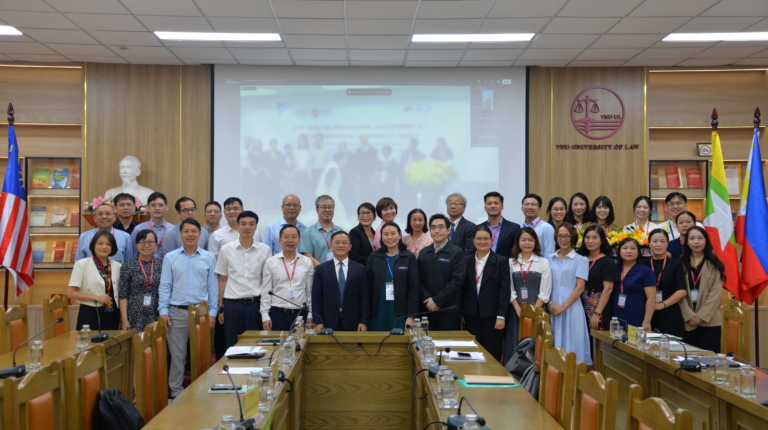
On 3 and 4 July 2026, VNU University of Law held an international workshop in Da Nang titled “A Professional, Modern Criminal Justice System in Vietnam’s New Context.” The workshop brought together scholars, experts, administrators, lecturers, researchers and practitioners working in criminal justice.
Attendees included Assoc. Prof. Dr. Nguyen Tien Vinh, Secretary of the Party Committee and Rector of VNU University of Law; Prof. Dr. Sc. Dao Tri Uc, former Chairman of the Professorship Council for Legal Science; Dr. Do Duc Hong Ha, Vice Chairman of the National Assembly’s Committee on Science, Technology and Environment; Assoc. Prof. Dr. Tran Van Do, Lieutenant General and former Deputy Chief Justice of the Supreme People’s Court; along with representatives from law training and research institutions nationwide and from Friedrich-Ebert-Stiftung (FES) Vietnam.
In his opening remarks, Assoc. Prof. Dr. Nguyen Tien Vinh said that for several years, with support from FES Vietnam, VNU University of Law has maintained the practice of holding an international criminal justice workshop each summer, providing a venue for researchers, lecturers and practitioners from northern, central and southern Vietnam to meet and exchange views. He described this year’s topic as “topical, important, complex, yet also compelling” for Vietnamese criminal justice at the present stage.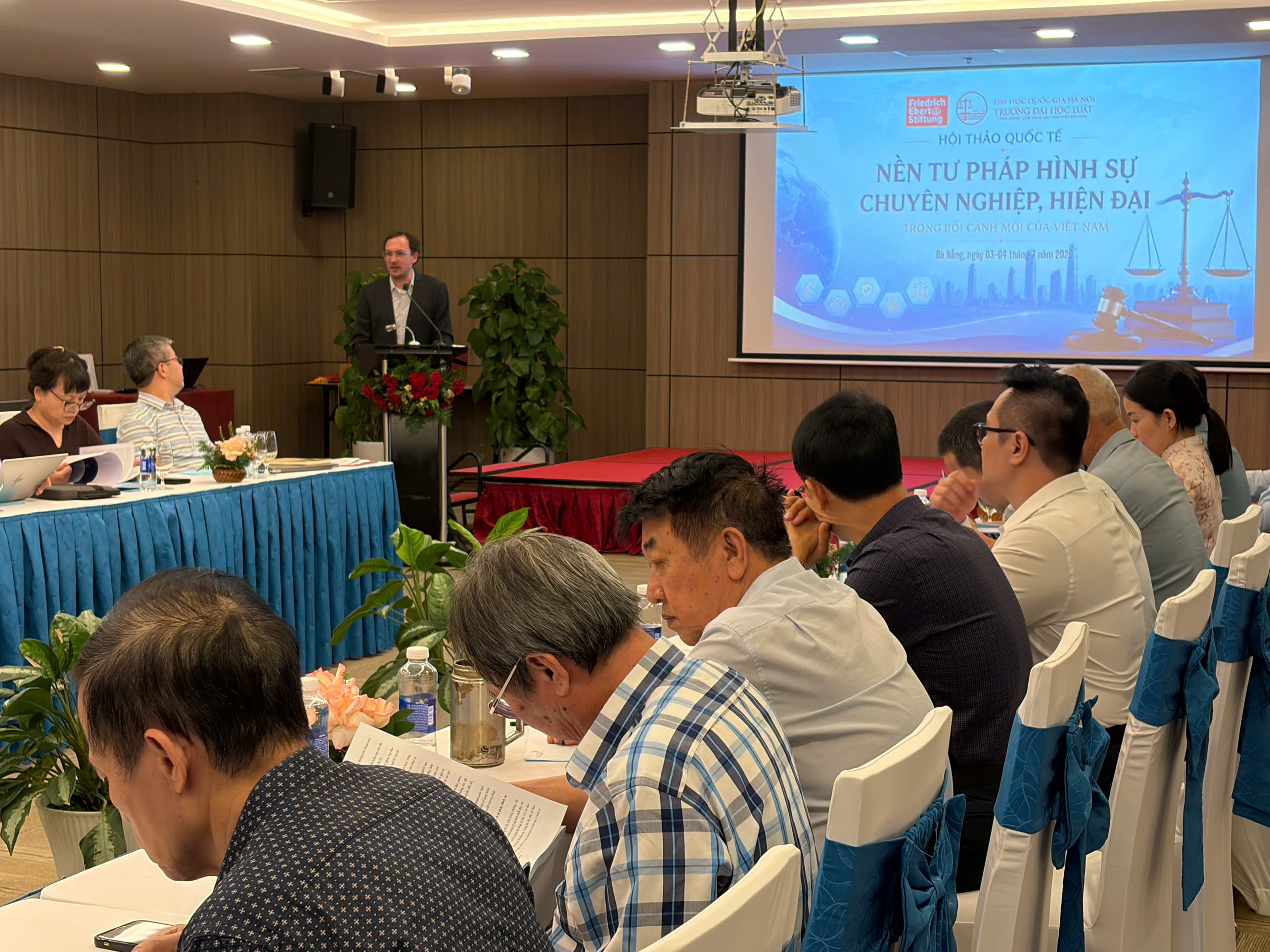
This year’s workshop took an interdisciplinary approach, organized jointly by the Faculty of Criminal Justice and the Faculty of Legal Theory and History of State and Law at VNU University of Law. The approach reflects the need to fully define what a professional, modern criminal justice system means for Vietnam under Resolution No. 27-NQ/TW on continuing to build and perfect Vietnam’s socialist rule-of-law state.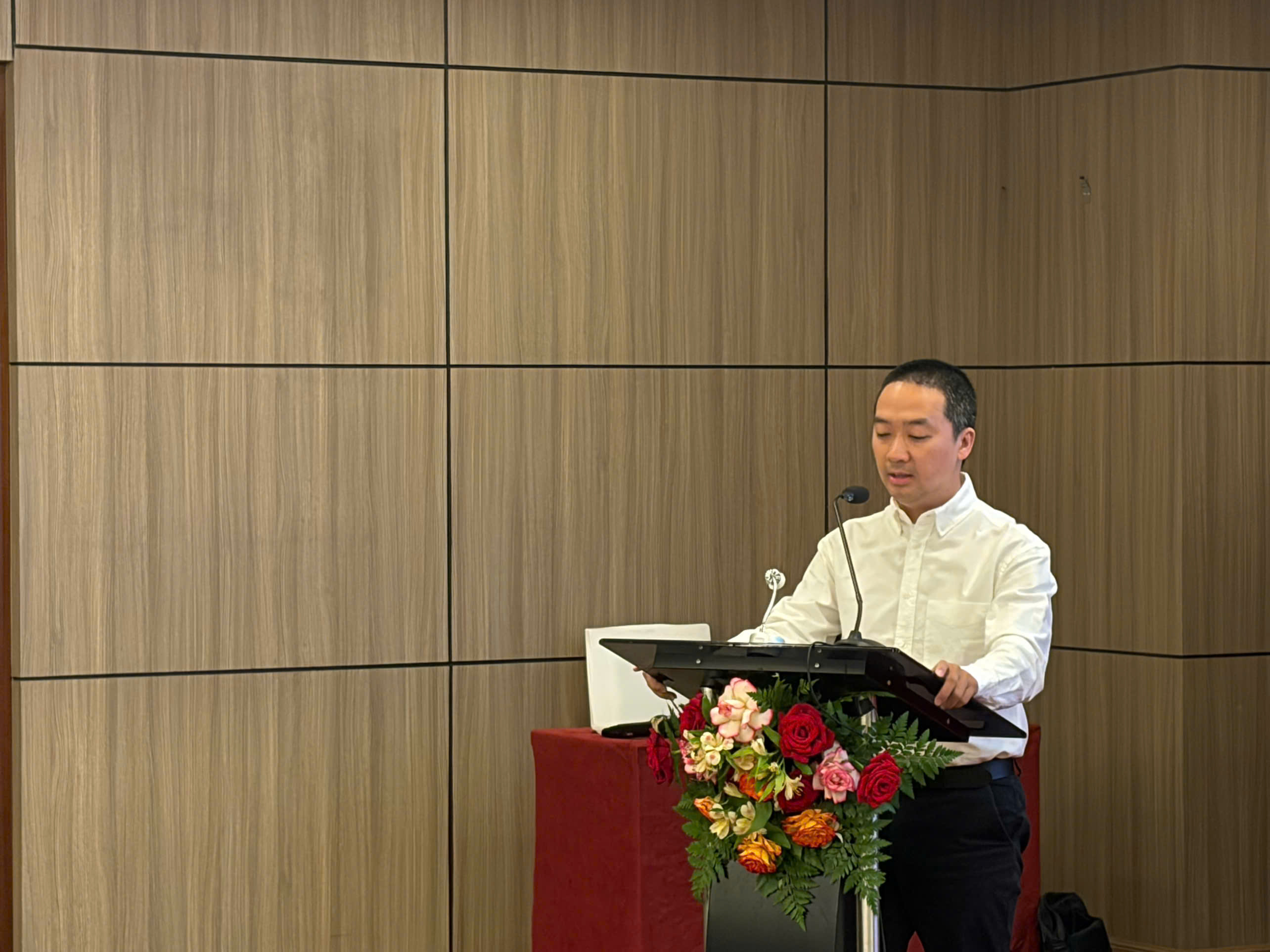
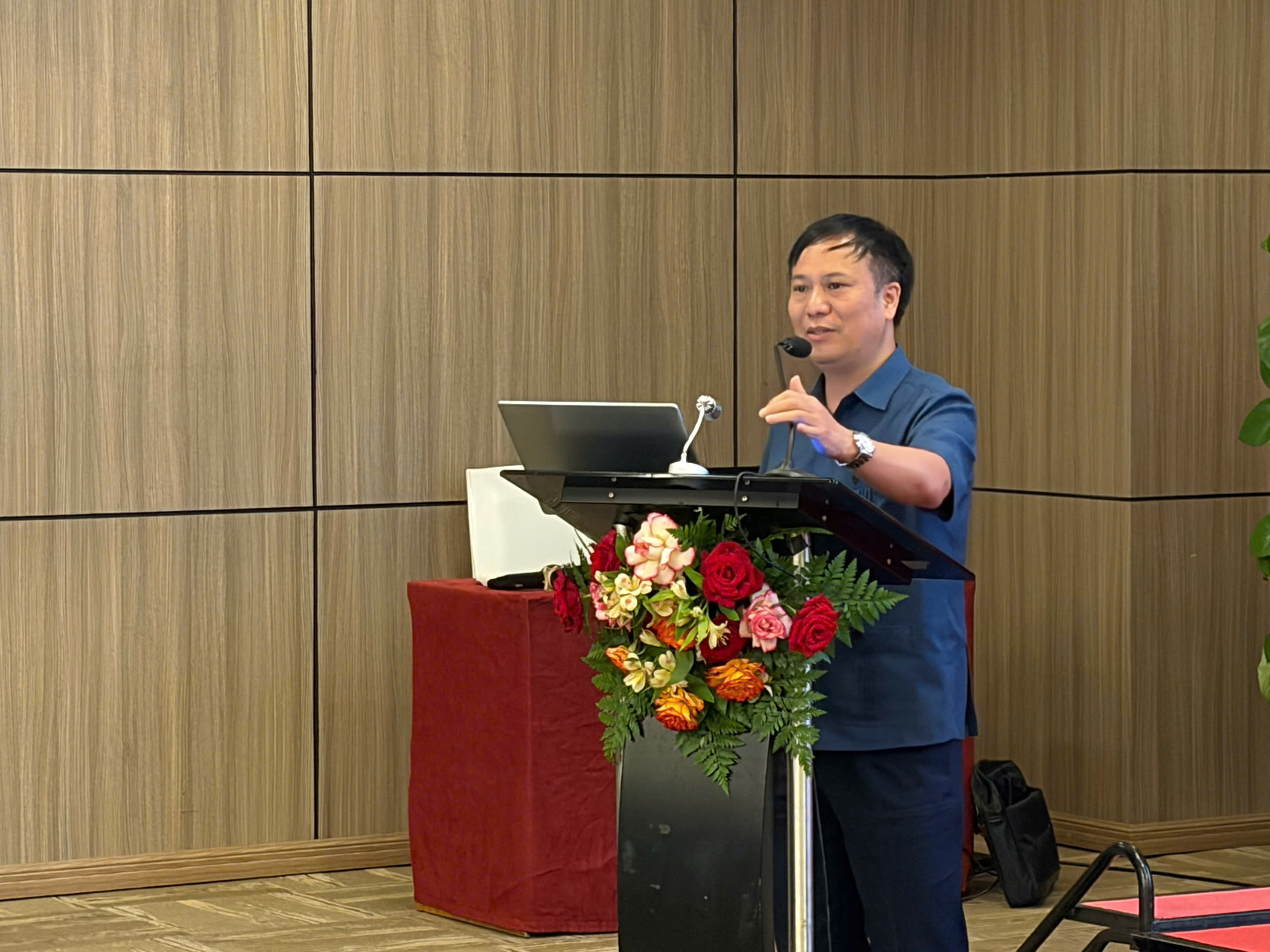
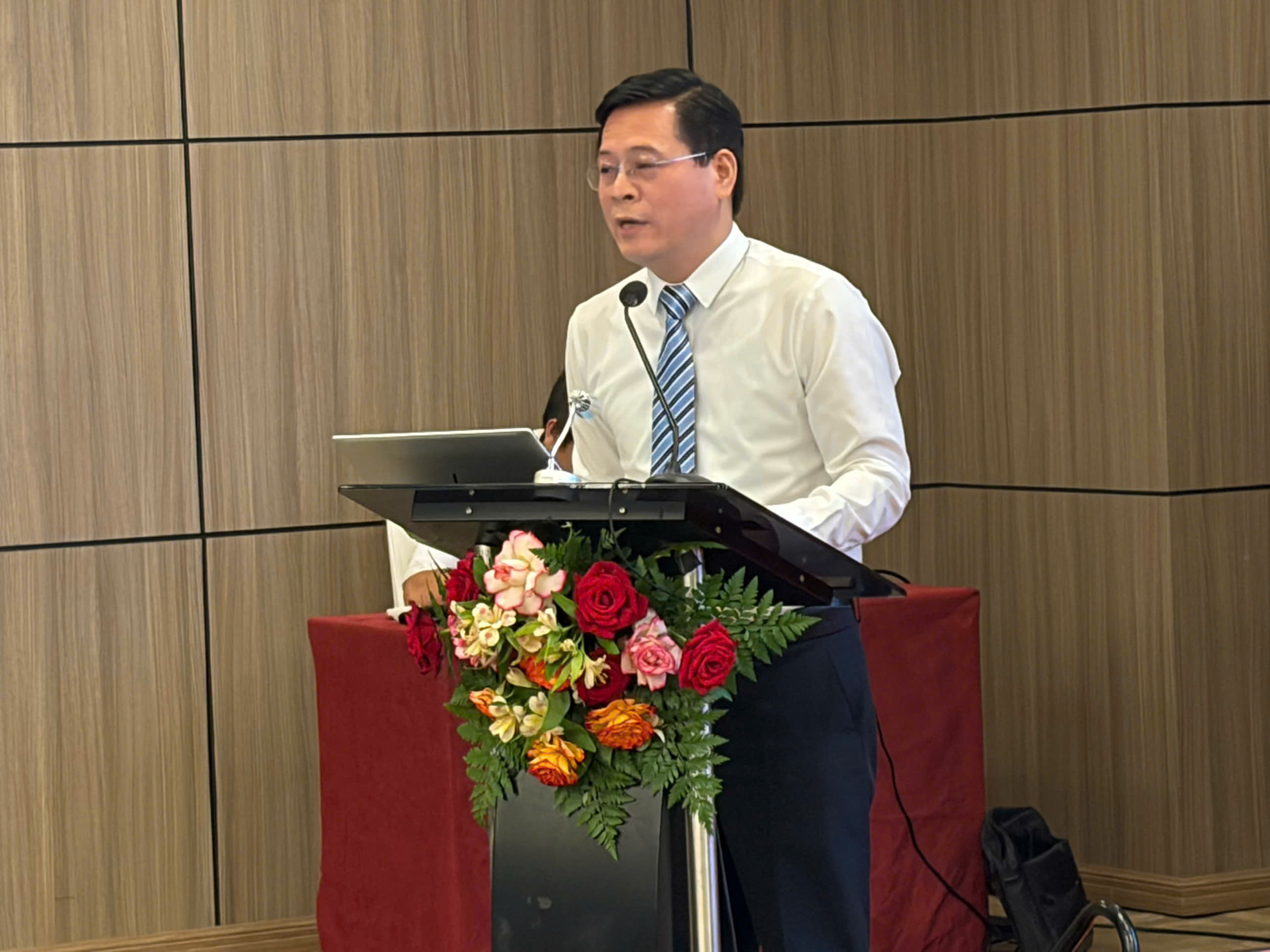
The workshop was organized to discuss theoretical and practical issues arising from the process of building a professional, modern criminal justice system in Vietnam. Sessions focused on clarifying the theoretical basis, international standards, and the experience of several countries in relation to Vietnamese practice, and on proposing directions and solutions for improving criminal justice institutions, policy and organization amid judicial reform, digital transformation, international integration and national development.
Ten papers were presented across four thematic sessions, covering theoretical and policy issues, international legal standards, foreign experience, professional ethics, legal culture and Vietnam’s practice in building its criminal justice system. The four sessions addressed: a professional, modern criminal justice system from theoretical and policy perspectives; international standards and foreign experience; professional ethics and conduct; and legal culture, tradition and Vietnamese practice.
Participants agreed that building a professional, modern criminal justice system is a necessary part of continuing to build Vietnam’s socialist rule-of-law state and a significant part of the judicial reform strategy for the new period. They described professionalism in the justice system as depending not only on institutional organization but also on the quality and expertise of investigators, procurators, judges, lawyers and other judicial officers. Modernity, meanwhile, was linked to digital transformation, data governance and new approaches to organizing and operating the justice system.
The papers also examined new demands placed on criminal justice amid the country’s development. National digital transformation, artificial intelligence, big data, the digital economy, digital society and international integration are fundamentally changing the operating environment for judicial agencies, while giving rise to new categories of crime, particularly high-tech crime, cybercrime and transnational crime. Criminal justice therefore needs to move gradually from a traditional management model toward a modern governance model based on data, technology and innovation.
From an international perspective, the workshop clarified several points of reference for Vietnam, including principles on the right to a fair trial, judicial independence, accountability, protection of human rights, restorative justice, digitalization of proceedings and data-based judicial governance. Participants agreed that modernizing the justice system is a process that must go beyond technical and technological change to include strengthening the rule of law and improving transparency, fairness, efficiency and humanity across criminal justice operations.
Beyond institutional and technological questions, the workshop addressed the role of professional ethics, legal culture and judicial integrity. Delegates argued that building a professional justice system depends on the quality of the law as well as on the professional culture, independence, objectivity and integrity of judicial officers. They described this as a condition for the sustainable development of the justice system going forward.
Based on the discussions, the workshop put forward several proposals: continuing to improve criminal justice legislation; accelerating digital transformation in investigation, prosecution, adjudication and enforcement; building a unified, synchronized and secure judicial database system; improving mechanisms to protect human and civil rights in criminal proceedings; improving training for judicial officers; and strengthening research on, and selective adoption of, international standards and the experience of countries with developed justice systems.
The international workshop “A Professional, Modern Criminal Justice System in Vietnam’s New Context” met its stated objectives, providing an academic forum for discussing theoretical and practical issues in criminal justice reform. Its outcomes serve as reference material for research, teaching, lawmaking and policy in criminal justice, and point to new directions for research on data-based judicial governance, digital justice, artificial intelligence in judicial work, and the development of a criminal justice system that is professional, modern, ethical, humane and in service of justice.